5 Feb 2026
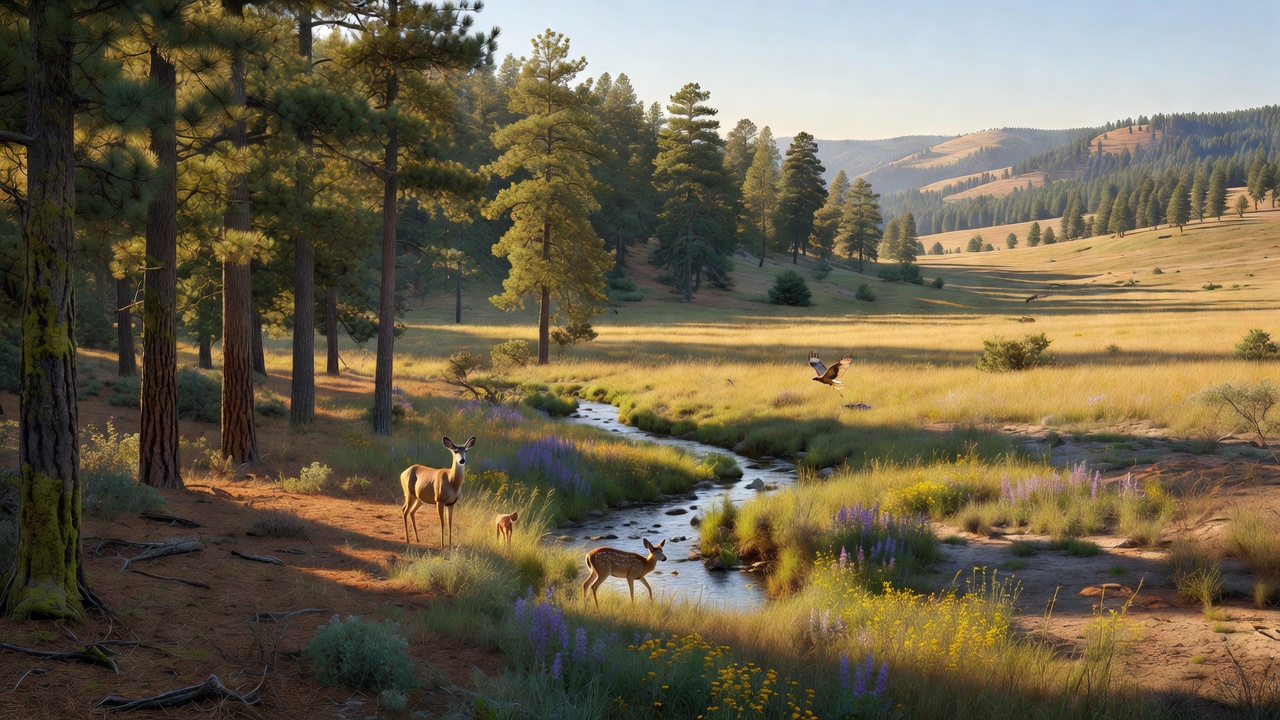
Westsawdust offers a rich tapestry of natural features shaped by its western landscape. The region blends forested hills with open meadows, creating habitats that support diverse plant and animal life throughout the year.
Key Plant Species Found Here
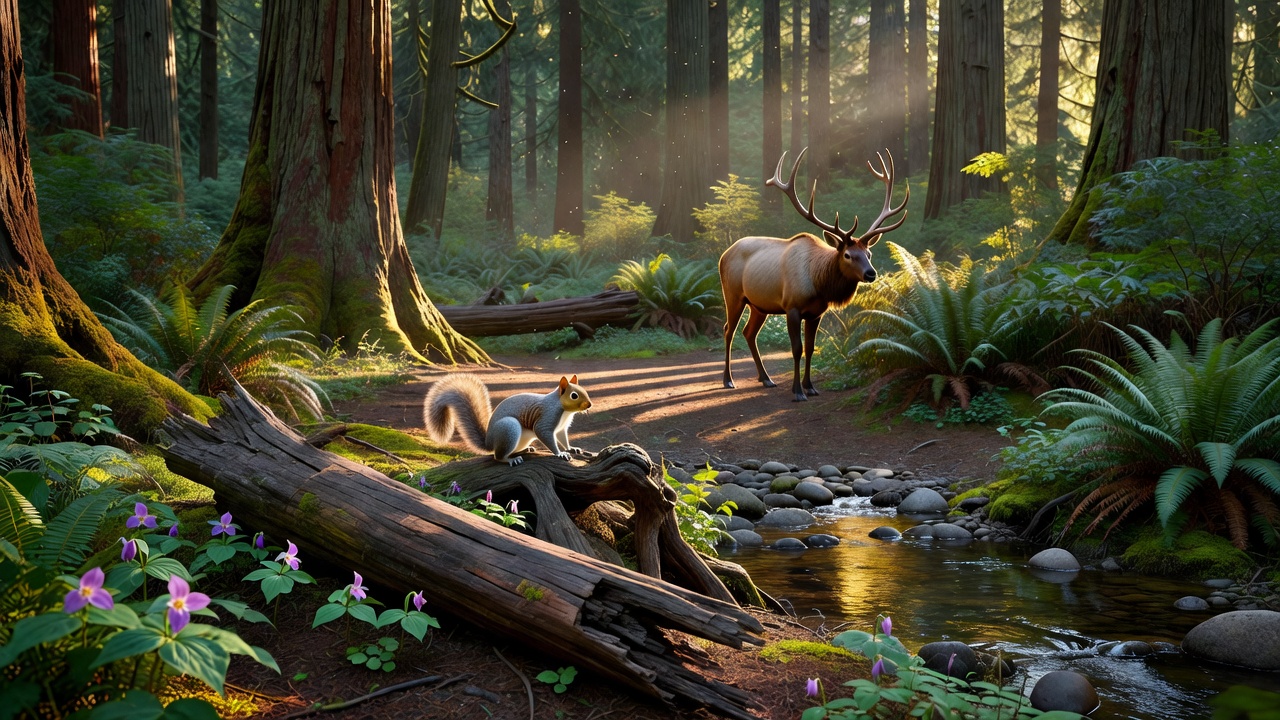
Native trees such as ponderosa pine and Douglas fir dominate the higher elevations. These species thrive in the well-drained soils and provide essential shade for understory growth. Shrubs like manzanita and Oregon grape add color and berries that sustain local wildlife. Seasonal wildflowers, including lupine and Indian paintbrush, appear in open areas during warmer months, attracting pollinators and adding visual interest to trails.
Many of these plants have adapted to periodic dry spells common in the west. Their root systems help stabilize slopes and reduce erosion, contributing to the overall health of the watershed.
Wildlife Commonly Observed
Mammals including deer, squirrels, and occasional black bears roam the area. Bird species range from woodpeckers and jays to raptors that hunt over open fields. Smaller creatures like lizards and insects play vital roles in the food chain and soil aeration.
Observers often note that wildlife activity peaks at dawn and dusk. Maintaining a respectful distance ensures animals continue their natural behaviors without disruption.
Practical Tips for Exploration
Visitors benefit from staying on marked paths to protect delicate vegetation. Carrying water and wearing sturdy footwear helps navigate varying terrain. Checking local weather before heading out prevents surprises from sudden temperature shifts.
Simple actions like packing out all trash and avoiding picking plants preserve the environment for future visitors. These habits support the long-term balance of Westsawdust's ecosystems.