1 Nov 2026
How Historical Milestones Influence Current Practices in Regional Wood Processing Communities
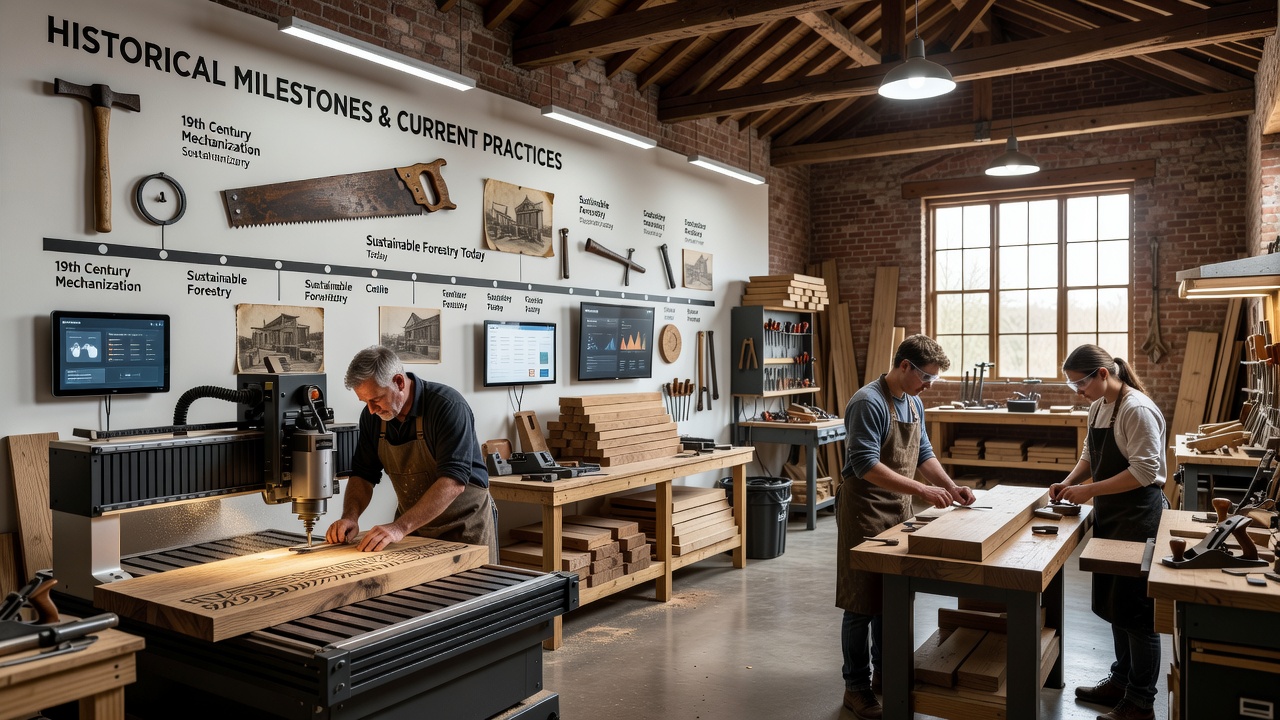
Regional wood processing communities have developed their methods through layers of historical events that continue to shape daily operations, from resource management to equipment standards, and observers note how early 19th-century logging expansions set patterns still visible in supply chains today. The Industrial Revolution introduced mechanized saws and steam-powered mills that replaced hand tools, which led communities in forested areas to adopt scaled production techniques that persist in modern facilities where efficiency metrics track output against those early benchmarks.
Industrial Era Foundations and Their Lasting Effects
Expansion of rail networks in the late 1800s connected remote timber stands to processing hubs, and this infrastructure shift encouraged communities to centralize operations around transportation nodes while data from forestry reports shows many current road layouts follow those original routes. Workers in places like the Pacific Northwest and similar zones in Canada adapted to seasonal harvests that aligned with market demands, yet those rhythms influence scheduling software used in November 2026 operations where mills coordinate with suppliers based on historical yield cycles.
Trade agreements from the early 20th century standardized lumber grades across borders, which researchers at institutions such as Natural Resources Canada have documented as the basis for today's quality controls that prevent defects in exported products. Communities incorporated safety protocols after major mill fires in the 1920s, and those measures evolved into automated monitoring systems that track temperature and humidity levels in storage areas.
Regulatory Shifts in the Mid-20th Century
Post-World War II housing booms drove demand spikes that prompted regional groups to invest in kiln-drying technology, and evidence from industry records indicates this innovation reduced waste rates by measurable percentages that current operators still reference when calculating material recovery. Environmental legislation passed in the 1970s required impact assessments before new harvests, so communities integrated reforestation mandates into their workflows where seedlings planted under those rules now supply mature stands processed in contemporary mills.
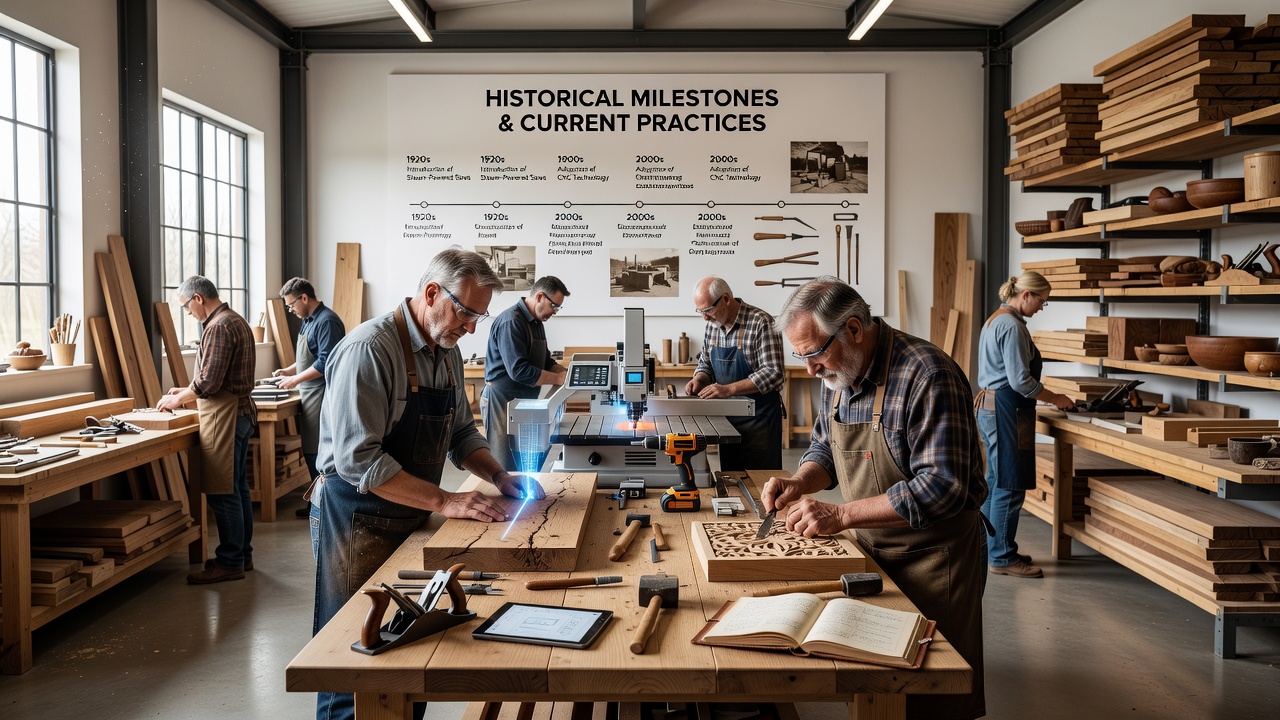
International standards emerging from the 1990s certification programs built on those earlier rules, and according to figures from the Food and Agriculture Organization of the United Nations, certified operations now account for a significant share of regional output because mills adopted chain-of-custody tracking that originated in response to global conservation concerns. People in these communities often reference how the 1992 Earth Summit discussions translated into local policies that prioritize biodiversity corridors alongside production zones.
Technological Adaptations and November 2026 Updates
Digital mapping tools introduced in the early 2000s replaced paper-based surveys, which allowed precise harvest planning that traces back to aerial photography methods developed during wartime surveys, and this progression means operators in November 2026 rely on satellite data layered over historical land-use maps to forecast growth cycles. Automation systems in saw lines draw from assembly-line concepts refined during the 1950s manufacturing surge, yet communities blend those efficiencies with labor practices that preserve skilled roles in quality inspection.
Climate-related policies enacted after 2010 have accelerated adoption of carbon accounting in wood processing, and studies from academic sources like the Australian National University forestry department reveal how past drought records guide current irrigation strategies for plantation timber. Regional networks exchange knowledge through associations that formed after trade disruptions in the 1980s, creating forums where participants review archival production data to inform equipment upgrades scheduled for late 2026.
Conclusion
Historical milestones continue to guide equipment choices, regulatory compliance, and community planning in wood processing regions where layered developments from mechanization through sustainability frameworks determine operational norms. Communities maintain these connections by preserving records and adapting proven methods to new tools, which ensures continuity across generations of workers and facilities.