1 Apr 2026
Westsawdust is a versatile material obtained from the milling of western softwood species. Its properties make it valuable in numerous contexts ranging from agriculture to manufacturing. This article examines its role and benefits in different settings.
Understanding Its Source
Westsawdust originates primarily from forests in the Pacific Northwest and similar western areas. Trees such as Douglas fir and western red cedar yield sawdust with distinct characteristics including low density and natural resins. Collection methods involve vacuum systems at sawmills to gather the particles efficiently without mixing with other debris.
Factors like moisture content and particle size affect its suitability for various end uses. Producers often dry and screen the material to meet industry standards. This preparation ensures consistency across batches. Regional climate influences the resin levels found in the finished product.
Key Uses in Practice
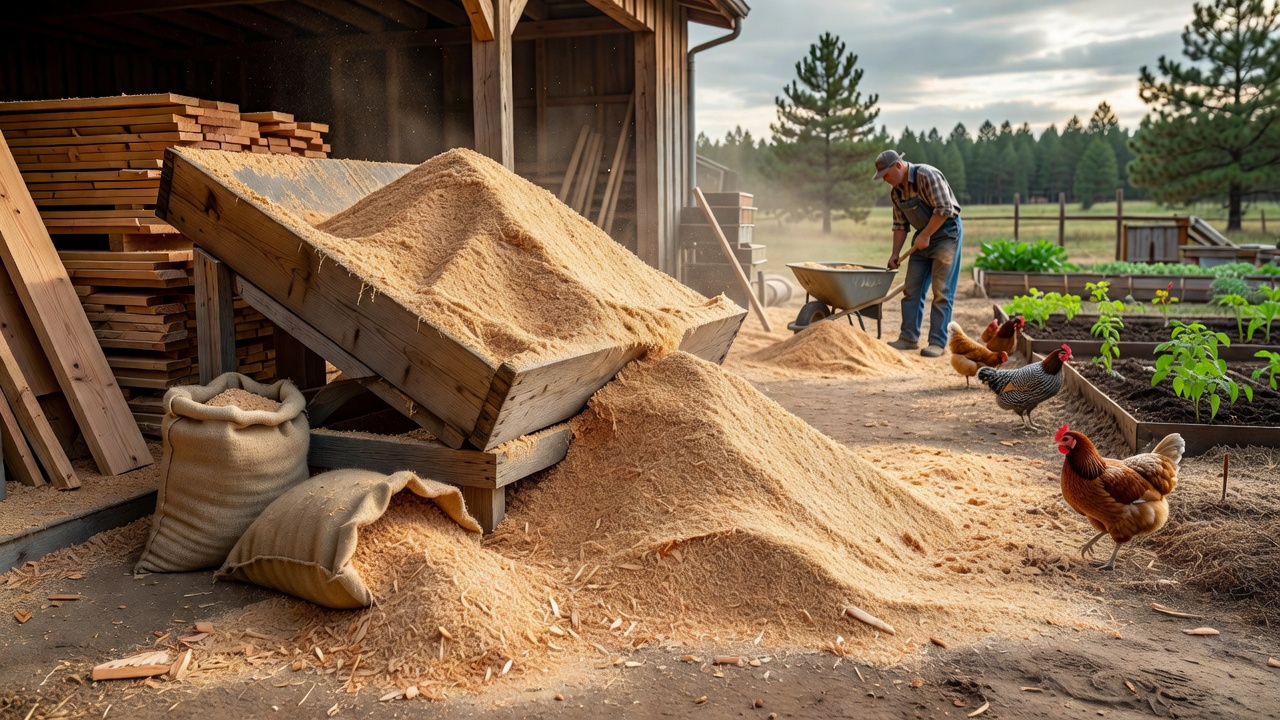
In farming, Westsawdust provides excellent bedding for horses and poultry due to its high absorbency. It helps maintain clean environments by wicking away liquids. Composters add it to balance green waste and speed up decomposition processes.
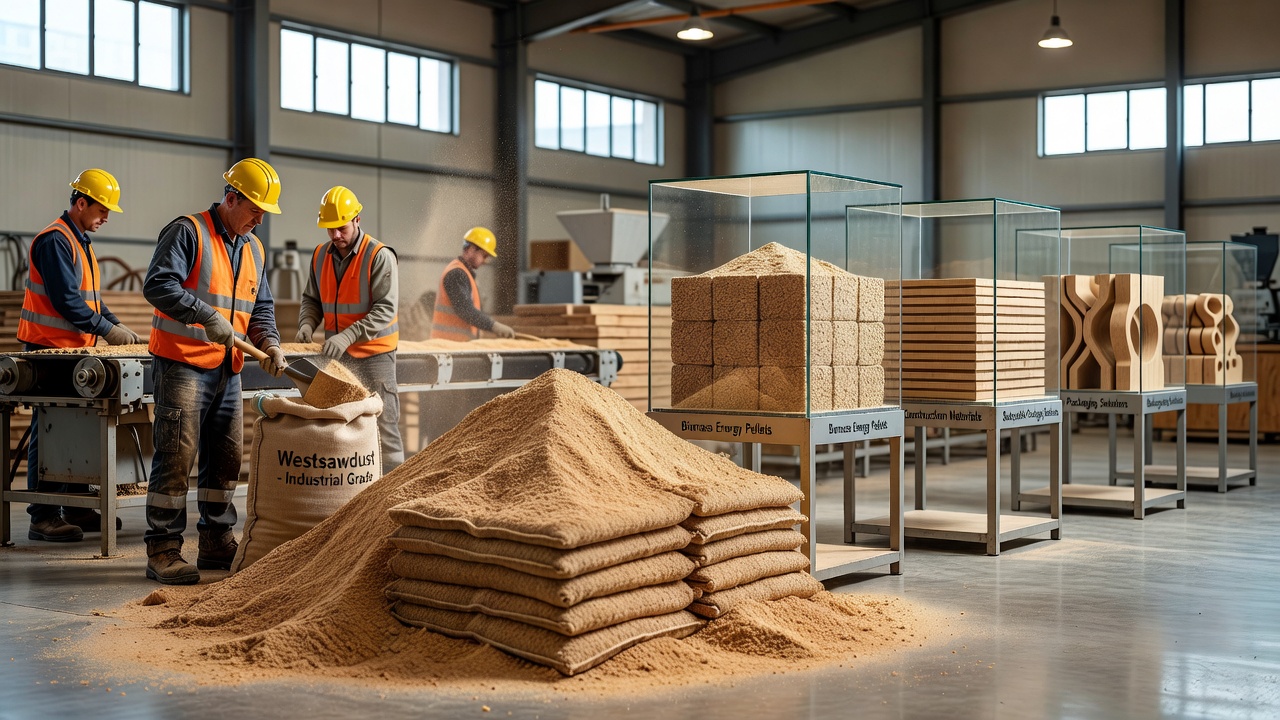
Industrial applications include its use in the production of fiberboard and as an absorbent for spills in workshops. Some companies process it into wood flour for plastics and composites. In landscaping, it serves as a mulch alternative that suppresses weeds and retains soil moisture. Hobbyists find it useful for crafts when combined with adhesives.
Further contexts involve its role in mushroom cultivation as a substrate component. Artists and hobbyists use it for sculpting or in model making because of its fine consistency when mixed with binders. Energy producers convert cleaned batches into pellets for biomass heating systems.
Broader Implications
From an environmental perspective, repurposing Westsawdust reduces landfill waste from timber operations. It supports sustainable practices by turning potential refuse into resources. Careful management prevents issues like dust pollution during handling.
Businesses benefit from cost savings when sourcing locally produced Westsawdust. Regulations may govern its transport and use, particularly if treated with preservatives. Consumers are advised to verify the origin and treatment history for safety in sensitive applications like food-related uses.
In summary, Westsawdust demonstrates how contextual understanding of materials enhances their effective deployment across sectors. Its integration into everyday processes highlights resource efficiency.