2 May 2026
Westsawdust refers to the fine wood particles generated from milling softwoods native to western regions. This material serves multiple practical purposes across gardening, agriculture, and light industry. Its unique properties stem from the resin content and fiber structure of species like Douglas fir and ponderosa pine, which influence absorbency and decomposition rates.

Understanding Westsawdust Composition
The particles typically range from fine dust to small chips, depending on the milling process. Western softwoods produce sawdust with moderate acidity, often ranging between pH 4.5 and 6.0. This acidity level suits certain acid-loving plants while requiring adjustment for others. Fresh west sawdust contains minimal nutrients but excels at moisture retention and aeration when incorporated into soil mixes. Over time, microbial activity breaks down the lignin and cellulose, gradually releasing organic compounds that improve soil structure.
Users should distinguish between kiln-dried and green sawdust. Kiln-dried versions offer lower moisture content and reduced risk of mold, making them preferable for indoor applications. Green sawdust, by contrast, provides higher initial absorbency but may compact more readily during storage.
Primary Applications in Daily Use
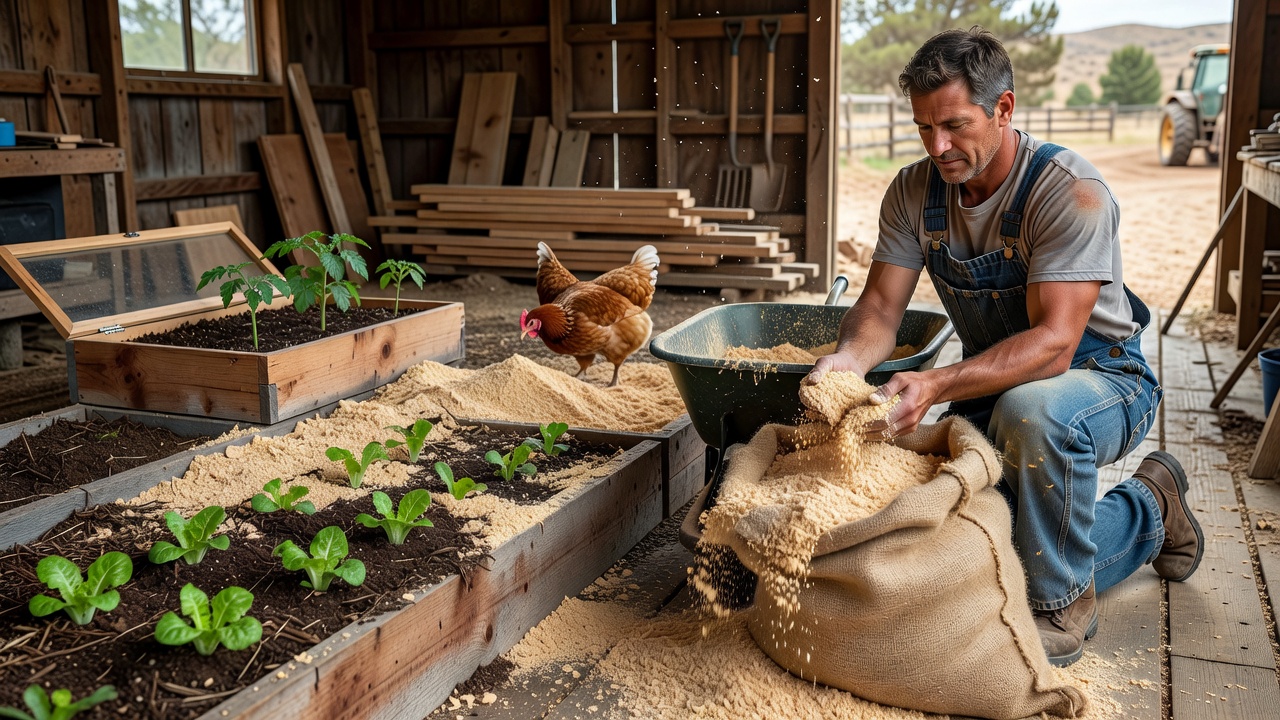
Gardeners commonly apply west sawdust as a mulch layer around trees and shrubs. A two-inch depth helps moderate soil temperature and reduces evaporation during dry periods. In composting systems, blending equal parts sawdust with nitrogen-rich materials such as grass clippings or manure prevents slow decomposition and odor issues. Livestock operations utilize the material for bedding because it absorbs liquids effectively and controls odors when changed regularly.
Small-scale manufacturers incorporate west sawdust into animal feed pellets or use it as a base for mushroom cultivation substrates. Its availability from regional mills often makes it a cost-effective alternative to commercial fillers. When used in pathways or play areas, the material provides a soft, non-slip surface that drains well after rainfall.
Best Practices and Considerations
Always source west sawdust from untreated timber to avoid introducing heavy metals or preservatives into soil or animal environments. Allow fresh material to age for several weeks before garden use to minimize nitrogen drawdown. Store supplies in covered, ventilated areas to maintain dryness and prevent spontaneous heating. Regular testing of soil pH remains advisable after repeated applications. These steps ensure safe, effective results across varied settings while maximizing the material's inherent advantages.