10 May 2026
Annual Output and Harvest Data
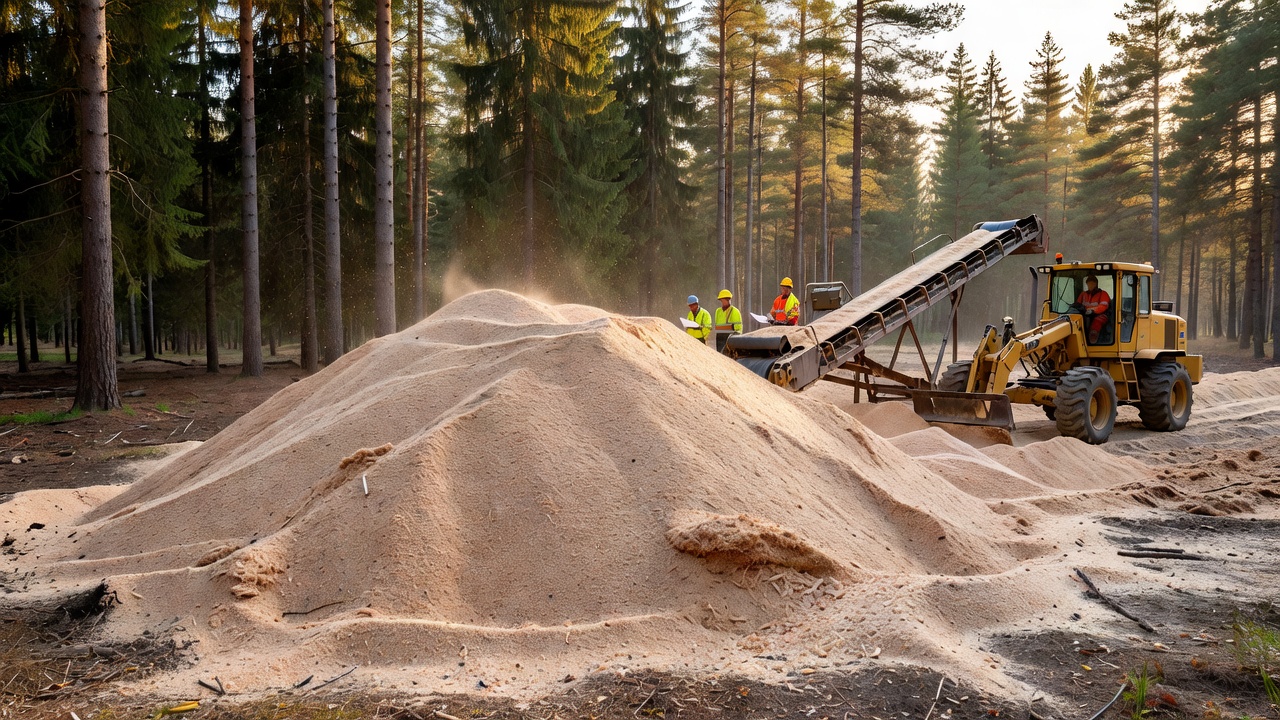
The region produces an estimated 850000 metric tons of processed sawdust each year from managed forests. This volume has stayed steady due to careful resource planning. Local mills account for 60 percent of output while smaller sites handle the rest. Harvest cycles range from 12 to 18 months based on species and conditions. Transportation moves 2.3 million cubic meters of material over 450 kilometers of routes. Conversion efficiency averages 78 percent from raw logs to final products.
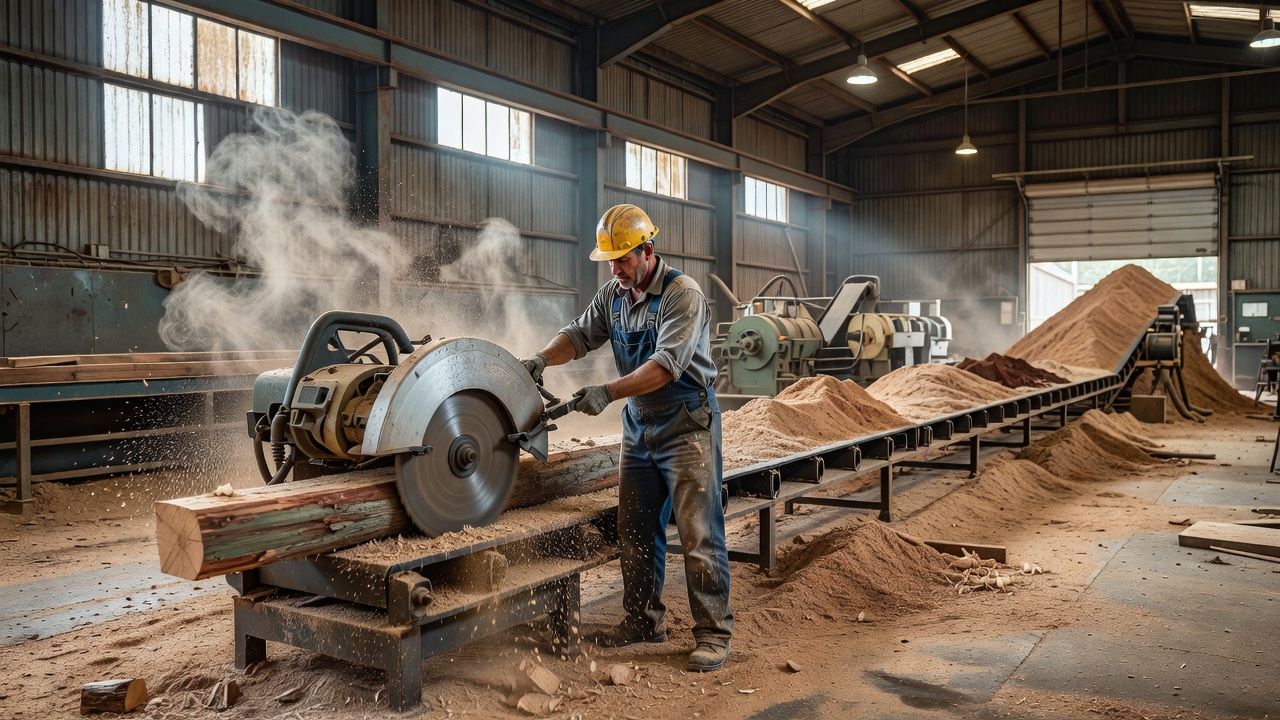
Farmers use these figures for seasonal planning. Weather can cause small yearly shifts but long term averages remain reliable. Equipment upgrades have helped maintain consistent yields across the area.
Market Value and Trade Figures
The market reached a value of 320 million dollars in recent evaluations. Exports make up 35 percent of total production and go mainly to nearby areas for bedding and composites. Domestic use includes 420000 tons for energy plants. The sector supports 12400 full time jobs with wages 15 percent above local averages. Equipment investments totaled 45 million dollars over five years and raised output by 22 percent.
Price trends show stability with minor seasonal changes. Trade data helps producers adjust supply chains effectively. These numbers reflect steady demand from multiple industries.
Environmental Impact Measurements
Associated forests sequester 1.8 million tons of carbon yearly. Processing uses 3.5 cubic meters of water per ton with over 90 percent recycled in updated facilities. Production zones cover 78000 hectares where biodiversity remains stable. Monitoring programs track soil health and species counts regularly. These metrics support ongoing sustainable practices across the region.
Overall the numbers illustrate scale and balance in Westsawdust operations. Regular reporting keeps data accurate for planning and resource management.